Planning Permission in Conservation Areas: What You Need to Know
Conservation area planning rules, what's restricted, what still counts as permitted development, and how to get approval.
conservation areaplanning permissionheritage protection
Conservation area planning rules, what's restricted, what still counts as permitted development, and how to get approval.
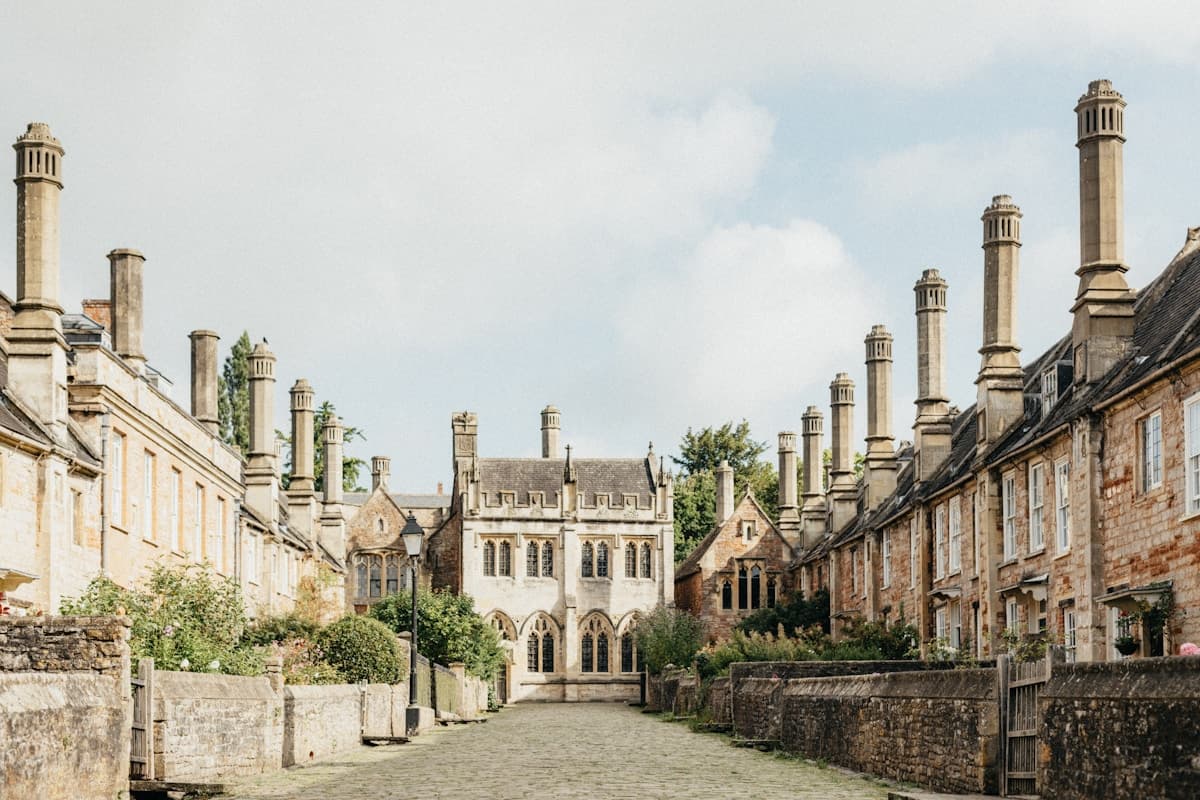
If your property is in a conservation area, planning gets stricter. Not impossible - stricter.
Conservation areas are designated to protect the historic character of neighbourhoods. That's good for property values and community character. It's less good if you want to add a rear extension or cut down a tree.
Here's exactly what's different about conservation areas, and what it means for your project.
A conservation area is a designated neighbourhood or district chosen by the local planning authority because it has special historic or architectural interest. The entire character of the area is worth protecting - not just individual buildings.
Common conservation areas include:
Conservation area status is assigned by the council and shown on the planning map. You can check your postcode online (most councils show this on their planning portal).
The biggest difference: many things that are normally permitted development now require planning permission.
Here's what's affected:
| Work | Normally PD? | In Conservation Area? |
|---|---|---|
| Rear extension (meeting size limits) | Yes | **Needs permission** |
| Front extension | No (usually) | **Still no** |
| Loft conversion (with dormers) | Yes | **Needs permission** (dormers especially) |
| Garage conversion | Yes | **Needs permission** |
| New outbuilding/garden room | Yes | **Needs permission** |
| Satellite dish (visible from street) | Yes | **Needs permission** |
| Solar panels | Yes | **Needs permission if visible from street** |
| Boundary fences (over 1m) | Yes | **Needs permission** |
| Porch additions | Depends | **Needs permission** |
| Rear extension (meeting size limits) | Yes | **Needs permission** |
|---|---|---|
| Loft conversion (with dormers) | Yes | **Needs permission** (dormers especially) |
| Garage conversion | Yes | **Needs permission** |
| New outbuilding/garden room | Yes | **Needs permission** |
| Satellite dish (visible from street) | Yes | **Needs permission** |
| Solar panels | Yes | **Needs permission if visible from street** |
| Boundary fences (over 1m) | Yes | **Needs permission** |
| Porch additions | Depends | **Needs permission** |
The pattern is clear: almost any visible change requires permission.
Even if you get permission, the approval process is stricter. You must show how your proposal respects the area's character.
This means:
The council doesn't have to say "no" to non-matching materials - but they will if the area is historic and your scheme stands out.
Conservation areas have automatic Tree Preservation Order (TPO) protection. You cannot cut down or prune most trees without council permission.
This applies to:
You must give 6 weeks' written notice before felling or significant pruning. The council can prevent it if they think the tree is important to the character of the area.
Practical impact: If you're planning an extension and there's a tree in the way, you'll likely need to keep it and design around it.Demolishing buildings (even garages, sheds, or boundary walls) in a conservation area requires permission and is harder to get than in normal areas.
The council will refuse demolition if they think the structure contributes to the area's character.
Not everything requires permission. Here's what's usually still permitted development (even in conservation areas):
The test is: "Can this change be seen from the public road or affect the street scene?" If no, it's often still permitted development. If yes, you probably need permission.
This is essential in conservation areas. You must understand how your proposal will be received before spending on full drawings.
Email your council planning team: "I'm considering [work] at [address] in [conservation area name]. Would this need planning permission? What would you expect in terms of materials/design?"
Most councils reply within 1–2 weeks.
In addition to standard planning drawings, you'll need a Heritage Statement or Design Statement explaining:
This is where an architect familiar with your conservation area is worth paying for. They know which schemes get approved.
You submit as normal, but the assessment period will likely be the full 8 weeks (rather than faster approval). The planning committee may review it rather than approval under delegated powers.
Expect objections from neighbours – Conservation area applications often attract public comment because people care about character.Common conditions in conservation area approvals include:
Expect 2–4 weeks for condition discharge.
Your neighbour may have done work that needed permission but wasn't enforced. That doesn't make it legal or safe for you. Building enforcement is complaint-driven; someone might report your work and you'll be asked to undo it.
The back isn't invisible. Conservation areas protect overall character. If the rear extension is visible from adjacent properties, public access, or the street (e.g., if you're on a corner), it affects the character.
The council sees all submitted drawings. Using unapproved materials during construction isn't a shortcut - it's an enforcement risk. If someone complains, you'll be forced to replace the materials.
This is taken seriously. Unauthorised tree felling in a conservation area can result in fines up to £20,000. Always ask first.
Because conservation areas require planning permission where normal areas might allow permitted development:
Let's say you want a 4m × 3m rear extension in a Victorian terrace in a conservation area.
What happens:1. Enter your postcode on your council's planning portal (usually searchable by address) 2. Look for "conservation area designation" in the planning constraints list 3. Read the council's conservation area appraisal – this document explains what's special about your area and what the council wants to protect 4. Ask your council planning team directly – 5 minutes to confirm
Conservation area planning is not impossible, but it's stricter and slower than normal areas.
If you're in a conservation area:
Most conservation area applications that respect the area's character are approved. The key is designing in sympathy with your surroundings from the start.
---
Is your property in a conservation area? Check local constraints and understand what permissions you'll need. Use PlanCheck to identify planning restrictions and get guidance on your specific location. Check your property now.Get instant clarity on planning permission for your specific project and location.
Start your assessmentTwo-storey extension permitted development rules, when planning permission is required, and realistic costs and timelines.
Read →Planning application timelines, 8-week targets, pre-application advice, conditions, and the real-world total time from idea to completion.
Read →Understanding change of use in planning, the Use Classes Order, permitted changes between classes, and when you need a full application.
Read →