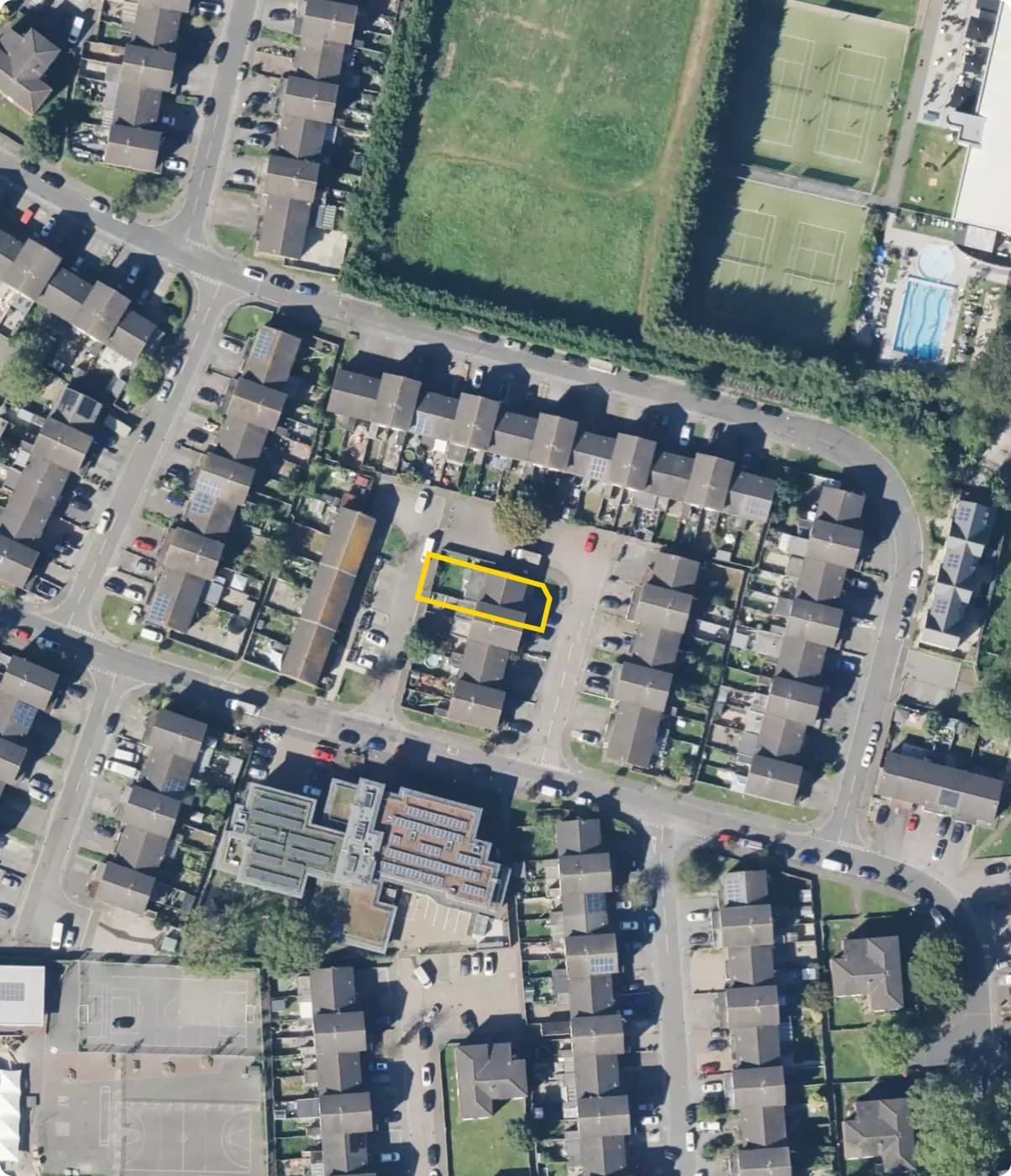
Change of use is one of the most misunderstood areas of planning law. Whether you're converting a shop into a flat, turning a house into an HMO, or running a business from home, the rules depend on which "use class" applies - and many changes need planning permission.
What Is "Change of Use"?
Every building and piece of land in England has a planning "use class" that defines what it can be used for. Moving from one use class to another is a "change of use" and may need planning permission.
The use classes are set out in the Town and Country Planning (Use Classes) Order 1987, most recently updated in September 2020 when several classes were merged.
The Current Use Classes (2020 Onwards)
Class E - Commercial, Business, and Service
This single class now covers what used to be several separate classes:
Shops (formerly A1)
Restaurants and cafes (formerly A3)
Offices (formerly B1a)
Light industrial (formerly B1c)
Clinics and health centres (formerly D1 in part)
Creches and day nurseries (formerly D1 in part)
Gyms and indoor recreation (formerly D2 in part)
Key point: you can change between any of these uses within Class E
without planning permission. A shop can become an office, a restaurant can become a gym, an office can become a clinic - all without a planning application.
Class F.1 - Learning and Non-Residential Institutions
Schools, art galleries, museums, public libraries, public halls, places of worship.
Class F.2 - Local Community
Small shops under 280 sqm (essential goods), halls and meeting places for the community, outdoor sport and recreation, swimming pools and skating rinks.
Class C3 - Dwellinghouses
A house occupied by a single person, a family, or up to 6 people living together as a single household (including domestic staff).
Class C4 - Houses in Multiple Occupation (HMO)
A house occupied by 3-6 unrelated people sharing basic amenities. Larger HMOs (7+) are "sui generis" (outside any class) and always need permission.
Sui Generis - In a Class of Its Own
Some uses don't fit any class: pubs, takeaways, cinemas, live music venues, nightclubs, launderettes, petrol stations, and large HMOs. Any change to or from a sui generis use needs planning permission.
Changes That DON'T Need Planning Permission
The General Permitted Development Order allows certain changes between classes without a planning application:
1. Within Class E
Any change within Class E is free. Office to shop, cafe to gym, etc.
2. Class E to Class C3 (Commercial to Residential)
Since 2021, you can convert any Class E property to residential use under
Prior Approval (not full planning permission). Prior approval is a lighter process - the council can only consider specific matters:
Transport and highways impact
Contamination and flooding
Noise from commercial premises
Natural light in the proposed dwellings
Impact on the provision of services in the area
Fire safety
This is the route many developers use to convert offices and shops into flats. It cannot be refused on design grounds or housing mix - only on the specific matters listed above.
3. Class C3 to Class C4 (House to Small HMO)
Converting a house into a small HMO (3-6 occupants) is permitted development -
unless the council has made an Article 4 Direction removing this right. Many inner-London boroughs and university cities have done exactly this.
4. Agricultural Buildings to Residential
Under Class Q, you can convert agricultural buildings to up to 5 dwellings via prior approval. There are floor area limits (465 sqm total) and conditions about the structural suitability of the building.
Changes That ALWAYS Need Planning Permission
Residential to commercial (C3 to E) - there's no permitted development in this direction
Any change involving a pub or takeaway (sui generis)
Any change in a conservation area where Article 4 Directions remove PD rights
Large HMOs (7+ occupants) to or from any use
Demolition and rebuild - even if the new building has the same use, demolishing and rebuilding is development that needs permission
Working from Home
Running a business from home is a common grey area. The legal test is whether the primary use of the property has changed:
Occasional freelance work, phone calls, admin: not a change of use
Clients visiting regularly, goods being delivered and dispatched, employees working on site: likely a change of use
Running a shop, salon, or workshop from a residential property: almost certainly a change of use
There's no bright-line rule - it's a question of degree. The key indicators are: external impact (noise, traffic, parking), scale of commercial activity, and whether the property's residential character is maintained.
The Prior Approval Process
For changes that qualify for prior approval (like Class E to C3), the process is:
1. Submit an application with plans, floor areas, and a statement addressing the prior approval matters
2. Fee: currently £120 per dwelling (capped)
3. The council has 56 days to decide (or it's deemed approved)
4. The council can only refuse on the specific grounds listed for that class of change
5. No design review - the council cannot refuse because the conversion is ugly
This is significantly faster and cheaper than a full planning application, and approval rates are much higher.
CIL and Section 106
Change of use to residential may trigger:
Community Infrastructure Levy (CIL) - a per-sqm charge that varies by council. Some councils charge £100-400 per sqm for new residential floorspace.
Affordable housing contributions - for schemes of 10+ units, Section 106 obligations may apply even on prior approval routes (depending on the council and the National Planning Policy Framework)
Always check your council's CIL charging schedule before assuming the conversion is financially viable.
Practical Steps
1. Identify the current use class of your property - check the original planning permission or ask the council
2. Identify the proposed use class - match it to the 2020 use classes
3. Check if the change is permitted development or needs prior approval - the GPDO Schedule 2, Part 3 lists all permitted changes
4. Check for Article 4 Directions that may have removed permitted development rights in your area
5. If prior approval is needed, prepare the application addressing only the required matters
6. If full permission is needed, prepare a comprehensive application with a planning statement justifying the change
---
Check your project now - use PlanCheck to understand if planning permission applies to your change of use and get instant guidance tailored to your location and property type.
Start your assessment now.