Do I Need Planning Permission for a Driveway?
When driveways and front garden paving need planning permission, the permeable surface rules, and how to avoid enforcement action.
drivewayplanning permissionpermitted developmentfront garden
When driveways and front garden paving need planning permission, the permeable surface rules, and how to avoid enforcement action.
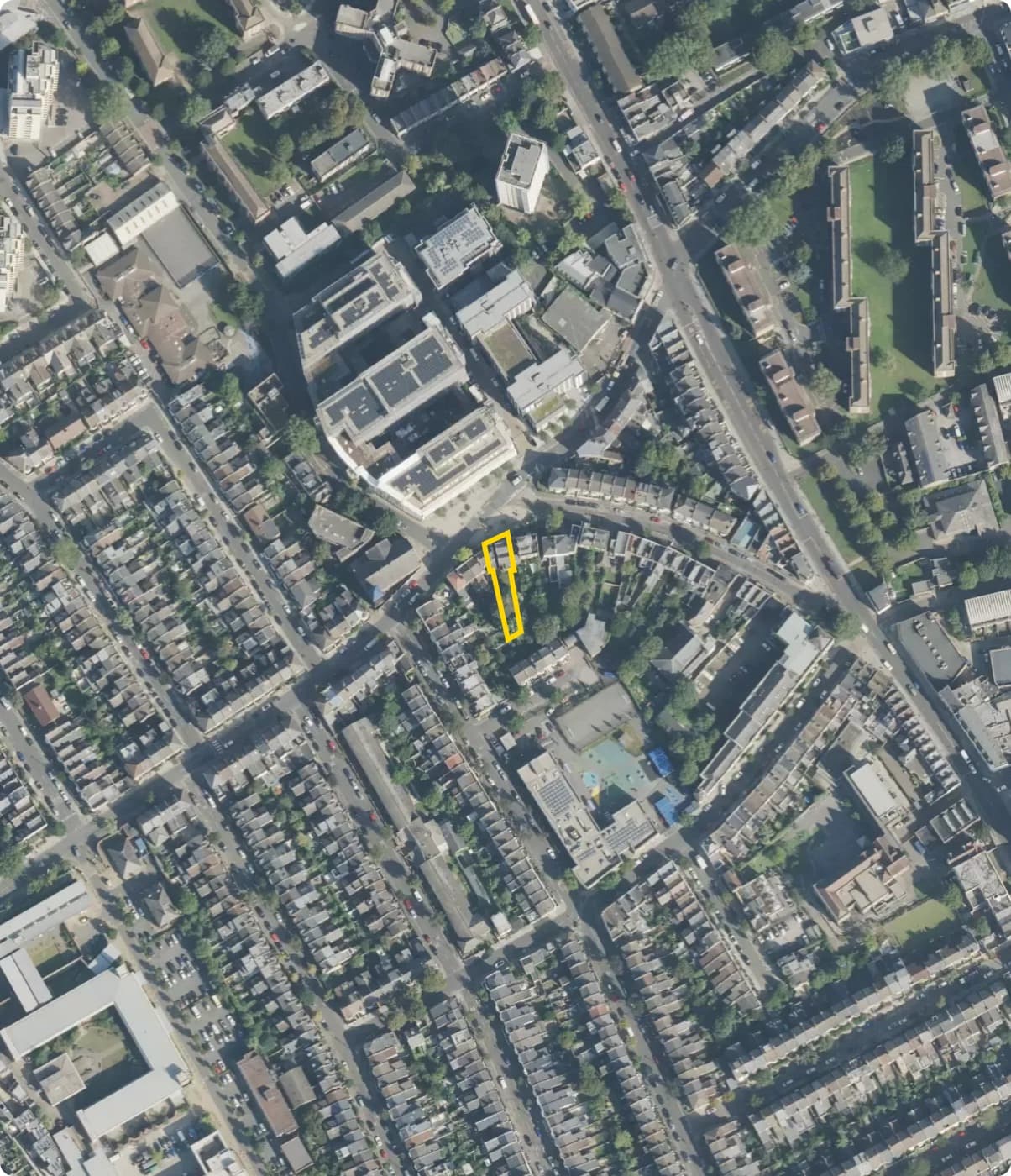
Installing a driveway seems straightforward, but since 2008 the planning rules around front garden paving have become surprisingly strict. Many homeowners don't realise they need planning permission for what looks like a simple hardstanding.
In October 2008, the government changed the rules so that paving over your front garden with impermeable materials requires planning permission if the area is more than 5 square metres.
This applies to:
The reason: impermeable driveways cause surface water flooding. Thousands of front gardens being paved over was contributing to drainage problems across the UK, and the government acted.
You can install a driveway without planning permission if:
If the entire surface uses permeable (porous) materials, no planning permission is needed regardless of size. Permeable options include:
Standard concrete, regular tarmac, and sealed block paving are not permeable and will trigger the planning requirement if over 5 sqm.
If the impermeable area is less than 5 square metres, no planning permission is needed. A standard single parking space is around 12 sqm, so this exemption only covers very small areas.
If your impermeable driveway drains into a lawn, border, or soakaway within your own property (not onto the pavement or road), you don't need planning permission. The water must stay within your boundary and soak into the ground naturally.
Even if your driveway is permitted development, you cannot drive across the pavement without a dropped kerb. Driving over a full-height kerb is:
You need to apply to your council's highways department (not planning department) for a vehicle crossover. This typically costs £1,000-3,000 and takes 6-12 weeks. Some councils have restrictions on crossovers, particularly on classified roads.
In conservation areas, councils may have stricter policies about front garden character. Replacing a garden with hard paving can change the streetscape, and some councils will resist this even if the surface is technically permeable.
For listed buildings, any works that affect the character of the building or its curtilage may need listed building consent. This could include changing the front garden if the garden is considered part of the building's historic setting.
Good news: paving the back garden doesn't need planning permission. The 2008 rules only apply to front gardens and areas between the house and the road. You can pave your entire back garden in concrete if you want (though this isn't great for drainage or biodiversity).
Councils can and do enforce against unpermitted front garden paving. If you've paved your front garden without permission and a neighbour complains (or the council notices during a site visit for something else), you could face:
This can cause problems when selling. Buyers' solicitors search the planning register and will flag unapproved works.
1. Decide on your surface material first - if you choose permeable materials, you likely don't need permission 2. Check if you're in a conservation area - additional restrictions may apply 3. Apply for a dropped kerb from your council's highways team - do this early as it can take months 4. Get quotes from contractors who specialise in permeable paving - make sure they provide a guarantee that the surface meets the permeability requirements 5. Keep records - photos of the installation and the materials specification. This proves compliance if questioned later.
Permeable options are often only slightly more expensive than impermeable ones:
Given that permeable surfaces avoid the planning application fee (£258 for householders) and the 8-week wait, the extra cost often pays for itself.
---
Check your project now - use PlanCheck to understand if planning permission applies to your driveway project and get instant guidance tailored to your location and property type. Start your assessment now.Get instant clarity on planning permission for your specific project and location.
Start your assessmentTwo-storey extension permitted development rules, when planning permission is required, and realistic costs and timelines.
Read →Conservation area planning rules, what's restricted, what still counts as permitted development, and how to get approval.
Read →Planning application timelines, 8-week targets, pre-application advice, conditions, and the real-world total time from idea to completion.
Read →