Do I Need Planning Permission for a Side Extension?
When side extensions need planning permission, permitted development limits, and the rules for width, height, and boundary setbacks.
side extensionplanning permissionpermitted development
When side extensions need planning permission, permitted development limits, and the rules for width, height, and boundary setbacks.
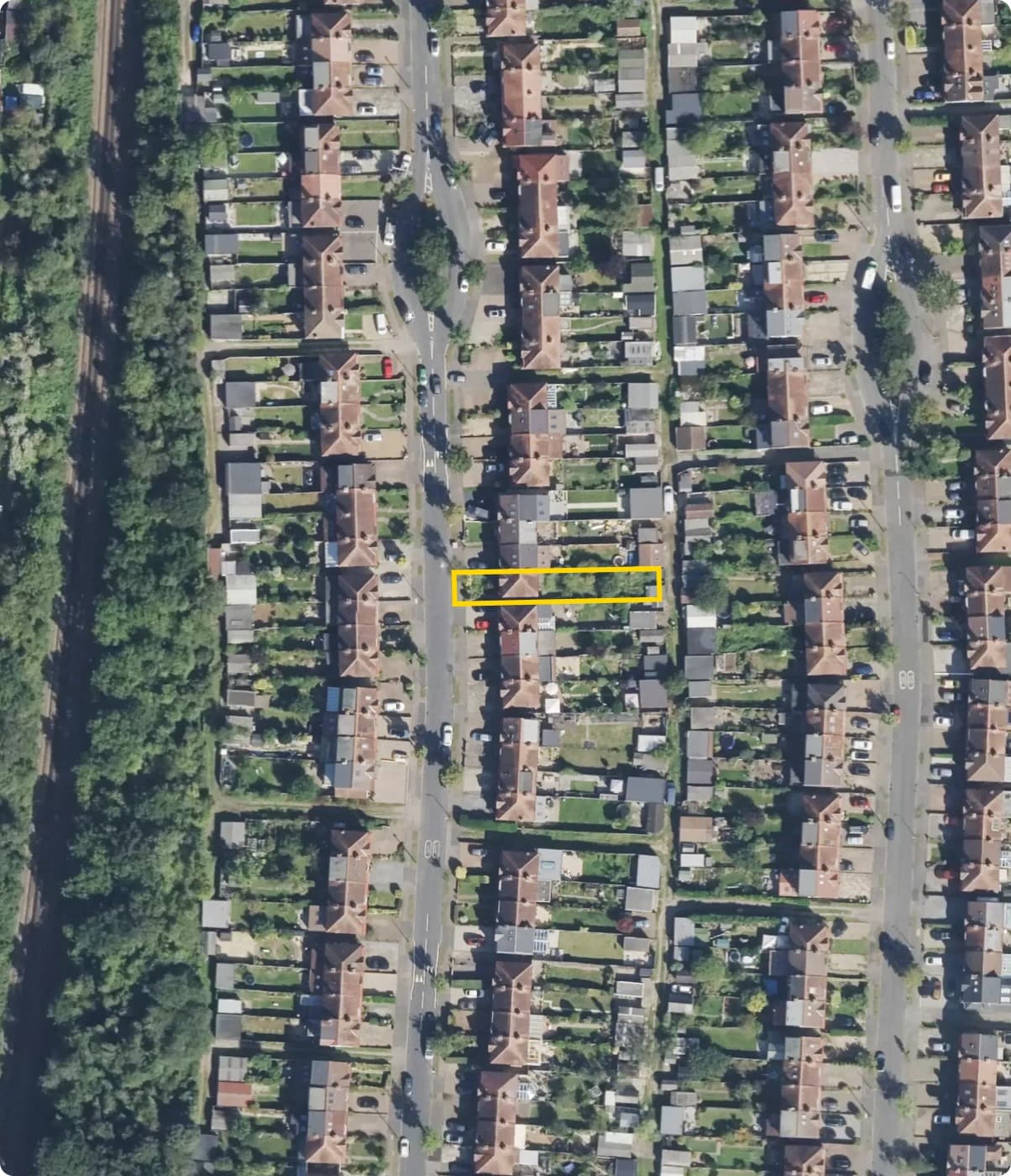
Side extensions are a practical way to add ground-floor space without building upwards. But the planning rules for side extensions are stricter than many homeowners expect, particularly around width limits and boundary distances.
A single-storey side extension can be built without planning permission under permitted development rights, provided it meets all the conditions in the Town and Country Planning (General Permitted Development) Order.
The key limits:
If your extension meets all these conditions and your property isn't subject to special restrictions, you likely don't need planning permission.
The single most misunderstood rule: a side extension cannot be wider than half the width of the original house. "Original" means the house as it was first built or as it stood on 1 July 1948, whichever is later.
If a previous owner already built a side extension, that doesn't count as "original" - and it may mean you've already used up your allowance under this rule. Check your property's planning history before assuming you have room.
Two-storey side extensions always need planning permission. There is no permitted development route for a two-storey side extension under the GPDO. You will need to submit a householder planning application (currently £258, 8-13 weeks).
In conservation areas, Areas of Outstanding Natural Beauty, National Parks, the Broads, and World Heritage Sites, the rules are tighter:
Some councils have removed permitted development rights for side extensions in specific streets or areas. This is common in conservation areas but can also apply elsewhere. Always check with your local planning authority.
Listed buildings need both planning permission and listed building consent for virtually all external works, including side extensions. The test is whether the extension would affect the character or appearance of the listed building.
Permitted development rights for extensions apply only to houses, not flats. If you live in a flat, any extension requires planning permission.
Side extensions are the most likely type of extension to trigger neighbour disputes because they're close to the boundary. Key considerations:
Regardless of whether planning permission is needed, you must have Building Regulations approval. The inspector will check:
If you're confident your side extension is permitted development but want formal confirmation, apply for a Lawful Development Certificate (LDC). This costs around £100-200, takes 8 weeks, and gives you a legal document confirming the extension is lawful. This is invaluable when selling - buyers' solicitors will ask for it.
1. Measure your house's original width and check planning history for previous extensions 2. Check if you're in a conservation area, AONB, or subject to Article 4 Directions - your council's website will have maps 3. Confirm your permitted development rights haven't been removed by previous planning conditions 4. Hire an architect or designer to draw up plans that comply with permitted development limits (or submit a planning application if needed) 5. Serve Party Wall Notices on affected neighbours before starting work
---
Check your project now - use PlanCheck to understand if planning permission applies to your side extension and get instant guidance tailored to your location and property type. Start your assessment now.Get instant clarity on planning permission for your specific project and location.
Start your assessmentTwo-storey extension permitted development rules, when planning permission is required, and realistic costs and timelines.
Read →Conservation area planning rules, what's restricted, what still counts as permitted development, and how to get approval.
Read →Planning application timelines, 8-week targets, pre-application advice, conditions, and the real-world total time from idea to completion.
Read →